Understanding the tequila vs mezcal difference is essential for anyone exploring the rich flavors of Mexico’s agave spirits. While both come from the same plant family, their production methods and flavor profiles diverge significantly, inviting enthusiasts to appreciate the distinct characteristics each offers.
Key Takeaways
- Tequila is exclusively produced in specific regions in Mexico, primarily using blue agave, while mezcal can be made from various types of agave across the country.
- The production processes for tequila and mezcal differ fundamentally, with mezcal often featuring a smoked flavor due to traditional cooking methods.
- Alcohol content varies between tequila and mezcal, with mezcal typically having a higher alcohol by volume (ABV) than tequila.
- Tasting notes for tequila usually lean towards a sweeter, more approachable profile, while mezcal presents a complex, earthy taste that appeals to adventurous palates.
Table of Contents
- Tequila vs Mezcal Difference: Origins and Regions
- Agave Varieties Used
- Production Methods: How Tequila and Mezcal Are Made
- Flavor Profiles and Tasting Notes
- Alcohol Content: Tequila vs Mezcal
- Cultural Significance and Usage
- Pairing with Food
- Tips for Enjoying Tequila and Mezcal
- Frequently Asked Questions
Tequila vs Mezcal Difference: Origins and Regions
Tequila and mezcal might both be agave-based spirits, but their differences run deep, starting with their origins. Tequila is specifically produced in five designated regions of Mexico, with Jalisco taking center stage. The town of Tequila itself buzzes with activity as it hosts many distilleries that create the spirit, cementing its reputation. Major cities like Guadalajara also play a role in its production and distribution, making Jalisco synonymous with tequila. To legally bear the name “tequila,” a spirit must be made from blue agave and adhere to strict regulations surrounding its production.
Mezcal, on the other hand, enjoys a broader production area that spans much of Mexico, most famously Oaxaca. This region is the heart of mezcal production, boasting a variety of agave species, which contributes to the deep diversity in flavors and styles. Artisanal mezcal producers in Oaxaca often employ traditional methods that give the spirit a unique character. While tequila showcases sweeter and smoother profiles because of the blue agave, mezcal can pop with smoky, earthy subtleties due to the different types of agave used and the production methods employed.
Geographical Impact on Flavor
The geographical differences in production do not just dictate where these spirits come from; they significantly influence their aroma and taste profiles. Tequila, with its more controlled environment and specific agave species, tends to present a cleaner, brighter flavor. Mezcal is celebrated for its complex layers, often polished with notes of smoke and wild herbs, stemming from the specific regions and processes that vary widely among producers. These unique characteristics make each option compelling, whether you’re sipping tequila on a sunny beach in Cabo San Lucas or enjoying a mezcal at an intimate gathering in a San Jose del Cabo rooftop bar.
- Tequila: Primarily from Jalisco, relies on blue agave.
- Mezcal: Produced throughout Mexico, particularly Oaxaca, using various agave types.
- Flavor Profiles: Tequila is sweet and smooth; mezcal offers earthy, smoky notes.
Agave Varieties Used
Tequila’s distinct character comes from its exclusive use of the blue agave plant, primarily found in the region surrounding the town of Tequila, Jalisco. This specific agave species contributes a sweet and earthy flavor profile that often features bright notes of citrus and a gentle peppery finish. During production, the heart of the blue agave, known as the piña, is roasted to bring out those sweet sugars, which are then fermented and distilled. This precision in ingredient selection makes tequila a uniquely defined spirit within the agave family, ideal for cocktails like margaritas or enjoyed neat to appreciate its complex flavors.
In contrast, mezcal embraces a broader horizon, as it’s crafted from around 30 different agave species, each offering a unique taste experience. This diversity results in a vast spectrum of flavors, ranging from smoky and spicy to fruity and floral, depending on the type of agave used. For example, espadín is the most commonly used agave for mezcal and tends to provide a balance of sweet and earthy flavors, while others like tobalá can yield a more refined and complex profile. This variety allows mezcal to reflect its agave source and the regional traditions and craftsmanship involved in its production.
Flavor Profiles Compared
| Spirit | Primary Agave Type | Flavor Notes | Common Uses |
|---|---|---|---|
| Tequila | Blue Agave | Sweet, citrusy, earthy | Cocktails, sipped neat |
| Mezcal | Various (30+ types) | Smoky, fruity, floral, spicy | Sipped neat, cocktails |
The profiling of mezcal can reveal immense regional differences. In places like Oaxaca, traditional production methods, including roasting agave in earthen pits, impart a distinct smokiness. Meanwhile, other regions might focus on different techniques, creating a wealth of flavor stories for consumers to explore. This deep-rooted tradition in mezcal production aligns it as a cultural emblem, showcasing the expertise passed down through generations. Both spirits offer unique experiences, appealing to various palates and preferences, making the exploration of tequila and mezcal a delightful journey for enthusiasts.
Production Methods: How Tequila and Mezcal Are Made
Tequila and mezcal, while both distilled spirits made from the agave plant, rely on distinct production methods that contribute significantly to their unique flavors. Understanding these differences enhances appreciation for each drink, making it easier for connoisseurs and casual drinkers alike to choose the right spirit for any occasion.
Tequila is primarily produced in the region surrounding the city of Tequila, Jalisco. The process begins with the blue agave, known for its high sugar content, primarily harvested at around seven to ten years of age. The hearts of the agave, called piñas, are steamed in large ovens, a method that helps achieve a smoother and more refined taste profile. This steaming process also caramelizes the sugars, resulting in a sweeter and less earthy flavor compared to mezcal. The piñas are then crushed, fermented, and distilled, often yielding a cleaner finish that can highlight the herbal notes inherent in the agave itself.
Mezcal: A Smoky Tradition
In contrast, mezcal production emphasizes traditional techniques that date back centuries. While mezcal can be made from various types of agave, espadín is the most commonly used. The piñas are roasted in underground pits lined with lava rocks and agave fibers, which introduces a dramatic, smoky flavor profile. This cooking method influences the mezcal’s taste and imbues it with a more complex aroma. Depending on the specific practices of the producer, these smokiness levels can vary, leading to a wide range of flavors from subtle to intense. The piñas are then crushed, fermented, and distilled in smaller batches, often resulting in a richer and more robust spirit compared to tequila.
- Tequila: Steamed production, smoother taste, sweeter notes.
- Mezcal: Roasted in underground pits, smoky flavor, complex aroma.
Both spirits can hold up in cocktails or be enjoyed neat, but their distinct production methods make them suited for different drinking experiences. When in Los Cabos, exploring the local offerings of tequila and mezcal can deepen your understanding and enjoyment of these iconic Mexican spirits. Cabo Liquor Delivery makes it easy to sample both at your villa or yacht, allowing you to taste the differences firsthand.
Flavor Profiles and Tasting Notes
Tequila and mezcal, both staples of Mexican spirits, deliver distinctly different experiences in terms of flavor. Tequila, primarily made from the blue agave plant, leans towards a sweeter, more approachable taste. You’ll often find notes of citrus, such as lime and grapefruit, alongside floral elements. This profile makes tequila popular for cocktails, such as margaritas, allowing it to shine in both casual and festive settings. Bars and restaurants throughout Los Cabos often feature tequila prominently on their menus, showcasing its versatility and broad appeal.
On the flip side, mezcal takes the flavor experience further. Produced in various regions of Mexico, often from different agave species, mezcal tends to have a more complex character. First-time drinkers might be taken aback by its boldness; earthy, smoky, and herbal notes can dominate the palate. This smokiness comes from the traditional method of cooking agave in underground pits, a process that infuses the spirit with rich, deep flavors. Sipping mezcal can feel like a culinary adventure, revealing surprising nuances with each taste.
Exploring Taste Preferences
Your personal taste significantly influences your choice between these two agave spirits. Tequila’s sweeter profile appeals to those who prefer gentler flavors, while mezcal invites adventurous palates willing to experience its smokier, more intricate profiles. If you find tequila too sweet, mezcal may provide a satisfying contrast. This divergence in taste forms a solid basis for an adventurous tasting experience, especially if you’re planning to sample both varieties in a vibrant locale like Los Cabos.
- Tequila: Sweet, citrusy, and floral notes
- Mezcal: Earthy, smoky, and complex flavor profile
- Perfect for adventurous tasting experiences
- Great for mixing cocktails or sipping straight
Alcohol Content: Tequila vs Mezcal
When exploring the differences between tequila and mezcal, one notable distinction lies in their alcohol content. Tequila is generally crafted with an alcohol by volume (ABV) ranging from about 35% to 55%. The exact ABV can vary based on the specific type and brand, which affects the beverage’s overall experience. When you’re sipping a robust añejo tequila or a crisp blanco, understanding the ABV helps you appreciate what you’re enjoying and promotes responsible consumption.
Mezcal: A Wilder Spirit
On the other hand, mezcal tends to have a higher alcohol content, typically falling within the 40% to 60% range. This elevated ABV contributes to mezcal’s bold, smoky flavors, which many enthusiasts find appealing. The production process, involving the roasting of agave hearts in earthen pits, imparts unique characteristics that set mezcal apart from tequila. The high alcohol content can intensify these flavors, making each sip a complex tasting experience.
For those in Los Cabos, both tequila and mezcal can be enjoyed in a variety of settings, from beachside cantinas to upscale villa parties. Familiarizing yourself with the alcohol content of each spirit allows you to better pace yourself, especially when sampling different brands and types. This awareness is particularly key in social settings or when you’re savoring options from Cabo Liquor Delivery, where a wide selection of both spirits is just a click away.
- Tequila’s ABV can range from 35% to 55%
- Mezcal often has a higher ABV, typically 40% to 60%
- The distinct production methods contribute significantly to their flavors and profiles
- Responsible consumption is vital for enjoying these spirits to the fullest
Whether you’re new to these agave-based spirits or a seasoned connoisseur, paying attention to the alcohol content enhances your tasting experience. Remember, knowledge is your ally when it comes to alcohol enjoyment.
Cultural Significance and Usage
Tequila and mezcal are not just beverages; they are integral parts of Mexican culture, each embodying its own unique heritage and significance. Tequila, often associated with festive celebrations, is commonly enjoyed during special occasions such as weddings, birthdays, and various holidays. Its production is steeped in tradition, primarily using blue agave, which is native to the region surrounding the town of Tequila in Jalisco. When you sip tequila at a fiesta, you’re participating in a centuries-old tradition that celebrates community and shared joy.
Mezcal, on the other hand, has a more rustic and artisanal charm. With roots deeply embedded in local customs and rituals, mezcal is frequently savored straight or used in creative cocktails, highlighting its complex, smoky flavors. This spirit is made from various agave plants, resulting in a diverse range of tastes that can vary significantly between producers. Many mezcaleros (mezcal producers) pride themselves on handcrafted methods passed down through generations, ensuring each bottle captures a sense of place and history.
Cultural Uses
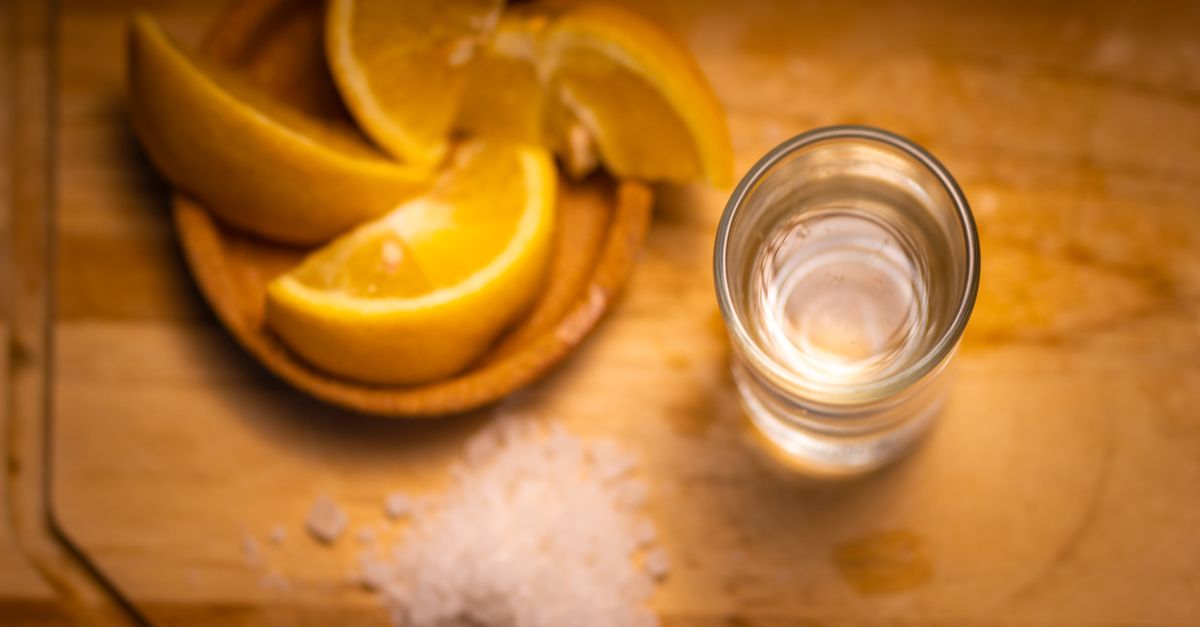
- Tequila: Often enjoyed in shots with salt and lime, as well as a base for cocktails like margaritas, it plays a crucial role in social gatherings.
- Mezcal: Commonly sipped neat to appreciate its depth, it is also featured in cocktails that emphasize its unique character, such as mezcal mojitos or Oaxaca old-fashioned.
Both spirits reflect the craftsmanship of their producers and showcase Mexico’s diverse beverage landscape. This cultural significance adds to the enjoyment of each sip, whether you’re raising a shot of tequila with friends or savoring a nuanced mezcal alone. The next time you find yourself in Los Cabos, consider indulging in these distinct spirits to fully immerse yourself in the local culture. For those looking to enhance their experience, alcohol delivery services like Cabo Liquor Delivery can bring a taste of Mexico right to your villa or hotel, making it easy to explore these flavors without leaving your space.
| Aspect | Tequila | Mezcal |
|---|---|---|
| Primary Agave | Blue Agave | Various Agave Types |
| Flavor Profile | Smooth, often sweet | Smoky, complex |
| Common Consumption | Sipped, shots, cocktails | Sipped, artisanal cocktails |
| Cultural Significance | Festive and celebratory | Tradition and artistry |
Pairing with Food
Choosing the right food to complement your drink can enhance your dining experience, especially in the vibrant culinary scene of Los Cabos. Tequila, with its crisp and clean flavor profile, pairs wonderfully with lighter dishes. Think about enjoying reposado tequila alongside fresh seafood tacos or a light citrus salad. The brightness of tequila enhances the delicate flavors of these dishes without overpowering them, making it an ideal choice for a beachside meal or a casual dinner at your villa.
On the other hand, mezcal’s robust and smoky character makes it the perfect match for richer, heartier foods. It’s a fantastic accompaniment to grilled meats, such as beef fajitas or spicy pork, where the bold flavors can stand up to the intense essence of mezcal. If you’re looking to spice up your culinary adventure, pairing mezcal with a plate of spicy enchiladas or grilled vegetables can create a harmonious balance that heightens both the food and the drink.
Tips for Food Pairing
- Opt for tequila with ceviche or sushi for a refreshing experience.
- Try mezcal with slow-cooked meats to fully appreciate its complexity.
- Experiment with different garnishes like citrus or herbs to enhance flavor profiles.
Remember, exploring various food pairings can transform how you enjoy both tequila and mezcal. Don’t hesitate to mix and match to find your favorite combinations. Whether you’re sipping a margarita at a local restaurant or indulging in a mezcal tasting at home, pairing strategically can make your experience even more memorable. For those staying in Cabo San Lucas or San Jose del Cabo, experimenting with these pairings can be an exciting way to connect with the region’s rich flavors.
Tips for Enjoying Tequila and Mezcal
To fully appreciate the nuances of tequila and mezcal, it’s essential to start with quality. Look for spirits labeled as “100% agave.” This guarantees that the spirit is made entirely from the blue agave plant for tequila or a variety of agave for mezcal. Choosing high-quality options enhances your tasting experience significantly, reducing the likelihood of artificial additives that can detract from the true flavors of these beverages.
When it comes to drinking techniques, consider how you want to savor each spirit. Mezcal, with its smoky complexity, is often best enjoyed straight. Sipping it neat allows you to experience its depth and character fully. In contrast, tequila is versatile; whether you enjoy it neat or mixed in cocktails, it suits various occasions. Many bars in Cabo San Lucas and San Jose del Cabo craft delightful cocktails featuring tequila that can enhance your experience, so don’t hesitate to explore the local bar scene.
Explore Tasting Venues
Another rewarding aspect of enjoying tequila and mezcal is discovering local bars and tasting events. Los Cabos offers various venues where you can explore the flavors and stories behind these spirits. Engaging with knowledgeable bartenders or participating in tastings can provide insights into different varieties, regions of production, and even the traditional methods of distillation. This not only enriches your understanding but also enhances your appreciation for the craftsmanship behind each bottle.
- Opt for 100% agave tequilas and artisanal mezcals.
- Sip mezcal straight to savor its smoky notes.
- Enjoy tequila in cocktails or neat, based on your mood.
- Visit local bars for tastings to learn about different varieties.
Frequently Asked Questions
What is the main difference between tequila and mezcal?
Tequila is a type of mezcal that specifically comes from the blue agave plant and must be produced in designated regions of Mexico, primarily in Jalisco. Mezcal, on the other hand, can be made from various types of agave and can originate from several states, allowing for a wider range of flavors and production styles.
How is the production process different for tequila and mezcal?
Tequila is produced using more modern techniques, where the agave hearts are steamed in ovens for a cleaner taste. Mezcal is traditionally made by roasting the agave in earthen pits, which imparts a smoky flavor that many enthusiasts appreciate.
Do tequila and mezcal taste the same?
Not really. Tequila generally has a smoother, more mellow flavor profile, while mezcal offers a rich, smoky taste due to its unique roasting process. This difference can significantly affect cocktail mixing and sipping experiences.
Can you drink mezcal straight like tequila?
Absolutely! Many people enjoy sipping mezcal neat to appreciate its complex flavors. It’s common to serve it with an orange slice and a sprinkle of salt to enhance the tasting experience.
Is mezcal more expensive than tequila?
Pricing can vary widely for both categories, but mezcal is often seen as a premium option due to its artisanal production methods and the variety of agave used. Some mezcal brands can be quite pricey compared to tequila, but there are also affordable options.
How should I store tequila and mezcal?
Both tequila and mezcal should be stored upright in a cool, dark place, away from direct sunlight. Unlike some wines, they do not improve with age once bottled, so it’s best to consume them within a few years of purchase.
What cocktails can I make with tequila and mezcal?
Tequila is famously used in margaritas, while mezcal shines in cocktails like the mezcalita or as a smoky twist in a classic margarita. Both spirits can also be enjoyed in various cocktails that highlight their distinctive flavors.
Order your drinks online and get them delivered to your villa, hotel or yacht anywhere in Los Cabos.
Intended for adults of legal age. Please enjoy responsibly and in accordance with local laws.